Professional work shows you what I can deliver. Experiments show you how I think.
That might sound like a luxury — side projects as a nice-to-have. But the longer I work in design and technology, the more I've come to see experiments as the most essential part of staying sharp. Professional work is shaped by business goals, team consensus, and platform constraints. All of that is necessary. But it also means you're rarely working at the edges of what you know.
Experiments are where the edges are.
Building for connection
The best side projects I've built didn't start with a business goal or even a learning objective. They were experiments around something I cared about.
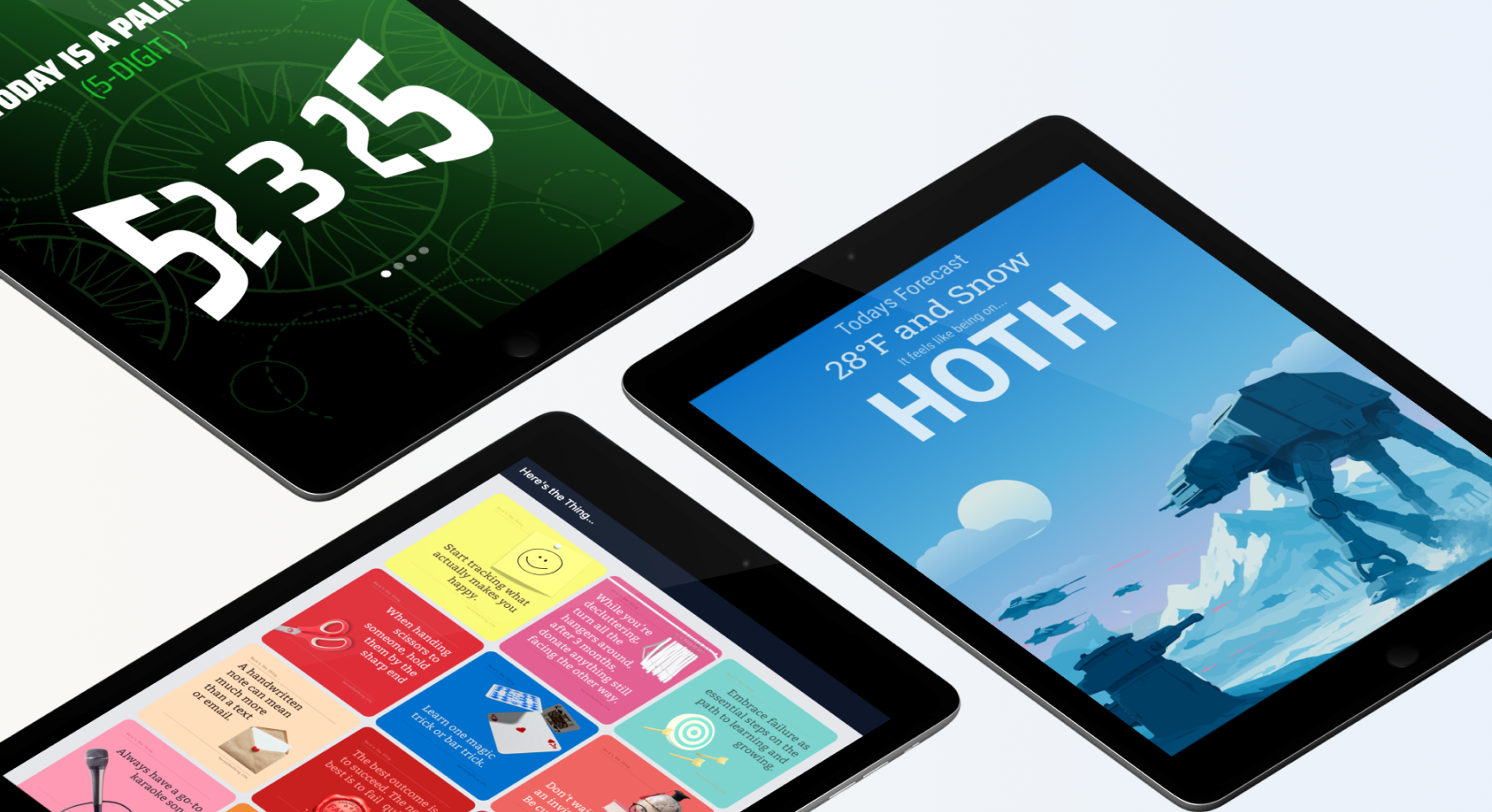
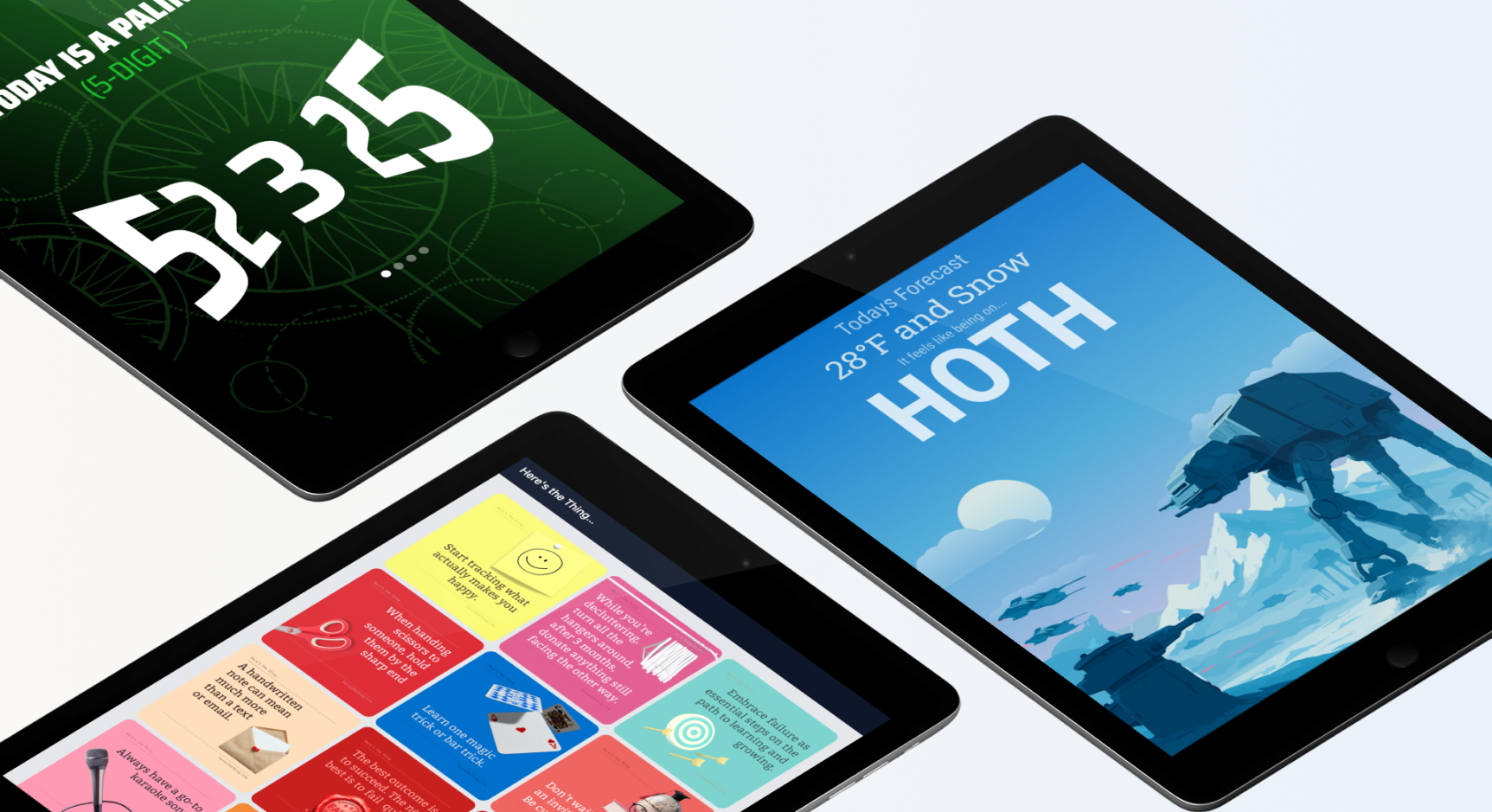
Palindrome.today is an homage to my dad. That's all it was ever meant to be — not a business, not a portfolio piece, just a dedication. He loved palindromes and would call my brother and I on days that were the same front to back. Building it taught me service-side scripting skills but those came as a byproduct of the impulse, not the other way around.
HerestheThing.life is also for family. I've been collecting pieces of fatherly wisdom for my two daughters since they were born — the kind of things you want them to appreciate when they're older. The collection has been broadening for years, and evolved from a notebook to a Notion database to a series of art tiles I made and in the process learned Canva. I hope to eventually learn enough self-publishing to turn it into a physical book they can each take off to college. The project keeps me ever-vigilant for new wisdom as it keeps growing.
That's the pattern I trust most: care about the thing first. Enjoy making it. And don’t shy away from learning the skills you need to make it a reality.
Serving your own needs
Some experiments start from a specific frustration.

With the value of hindsight, I look back at the winners for Best Picture at the Academy Awards and realize very often they missed the mark. The award winner or nominees are not the movies that became the most memorable, most lasting, more important. So, I crafted an avenue to correct that. First in a Wod Doc, then in a series of relational Notion databases and eventually I build a site for it - Reawarding.com.
MeepleGo.com was forked from Reawarding when I was frustrated I kept buying board games we already own. We own hundreds of board games. I kept going to sales and buying ones we already had. Finally I put together a Notion list for tracking. When my wife found people on BoardGameGeek with the same complaint — no good way to track what you have in your collection — it felt like I could make what I had better and set it up to be a good alternative for others too.
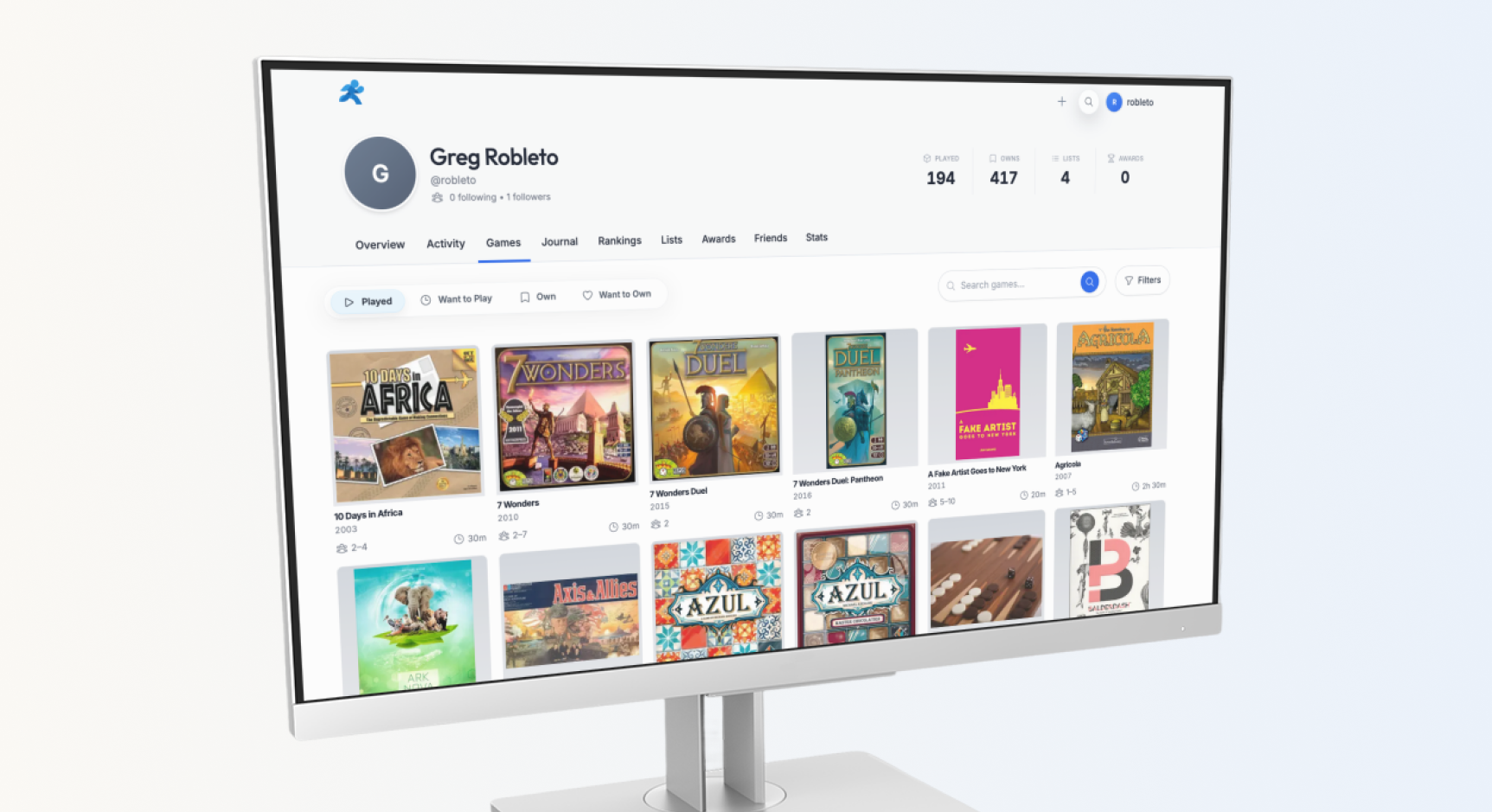
These projects were built in tandem because they both shared the same need to explore onboarding practices, set up data models, integrate a design system, and confront the real costs of building a product intended for scale — the data feeds, the infrastructure, the marketing.
Neither has yet come out of beta, but the experience of running through all the stages of product design has been a valuable learning experience, and one I have been able to do in a space where the stakes were low enough to make and learn from mistakes.
Expressing your artistry
Some experiments are more whimsy than strategy. You look at your skillset, identify a gap, and think what is the most fun way I can come up with the improve.
StarWarsWeather.com was my first real attempt at finding, wiring up, and leveraging an API — a corner of development I felt lacking in and wanted to understand.
The project is playful, comparing your weather to a biome from the Star Wars universe. The results are more fun than fundamentals, but I enjoy that it exists, and the practice pf bringing it into existance taught me what I was looking for about data integration.
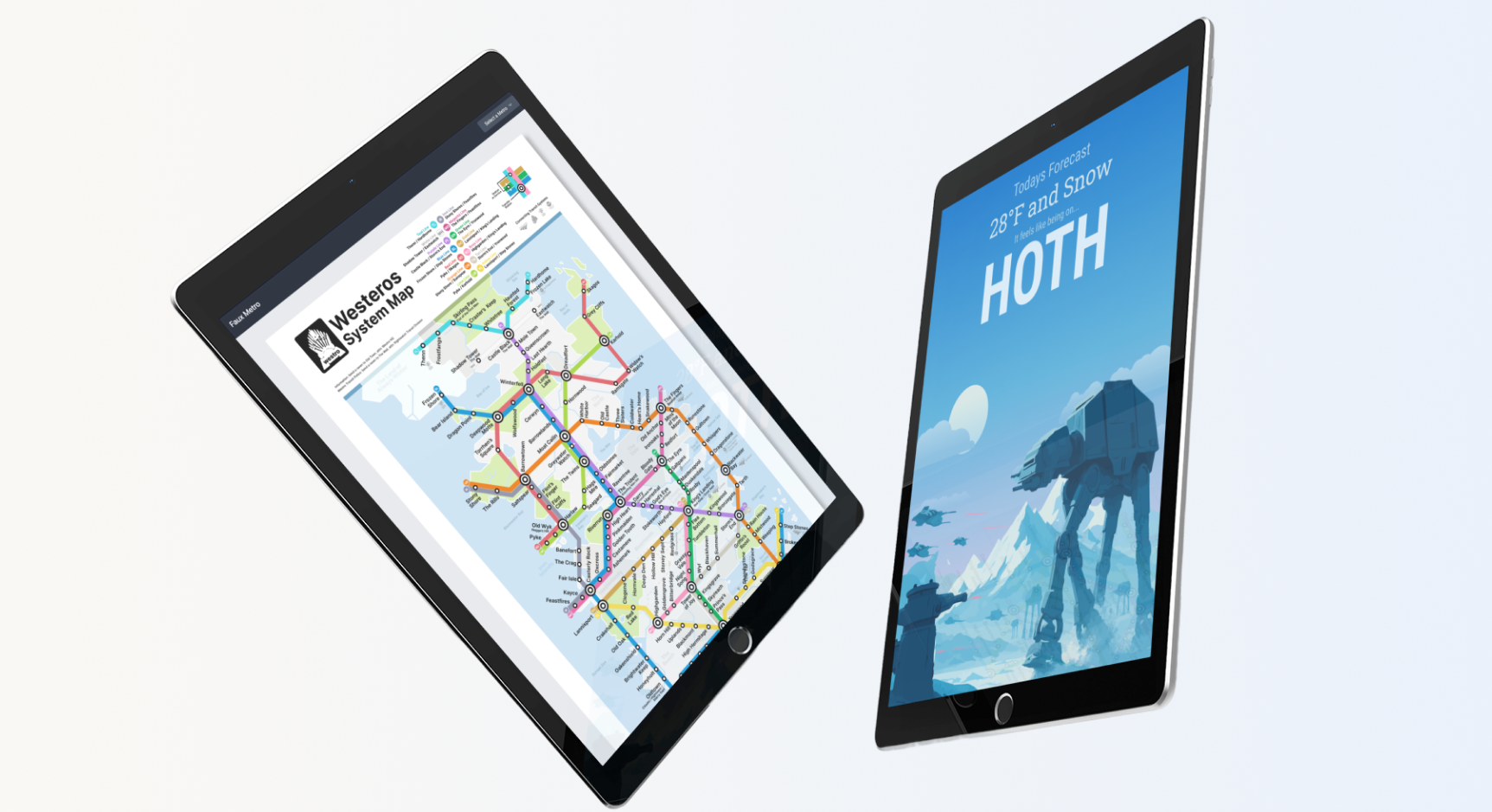
FauThe Bézier curve tool in Illustrator and Figma is a critical instrument I'd been dodging for years rather than learning. I wanted a low-stakes project and combined my desire to learn with my fascination with maps. Metro maps posters are nothing but curves, anchors, and precision. I designed a project that gave me no choice but to get fluent with the tool by overlaying famous fictional lands with Metro systems. Now, I no longer have to stress when needing the Pen tool in my work, and as a bonus the fantasy metro maps found a niche audience and become a micro-business, being sold on Etsy.
Getting back up again
In 2022, I'd hit a point of burnout and a low in my confidence in my own abilities. I took a sabbatical because I needed space, and I needed to rebuild.
Single-Div CSS Art was not a strategic choice.
This exceptionally niche art + tech practice is to use code in CSS stylesheets to created artistic or realisitc images. No actual images can be used, and for the very strict approach I gravicated to, you can not use any HTML structuring code either, it all has to be anchored to one single-div. This has no business value. It is the wrong choice for the key skill to gain if you're trying to optimize your career. But I had been looked at it from the outside for years while I was too busy with work to ever try my own hand. I believed I could be good at this if I could find the time, and Divtober landed during my sabbatical.
Making a complex coded piece of art is hard, making one a day for a month is grueling. But it was the challenge I needed, cause it was a speed run of confidence boosting. The works I was craeted by the second week were signficiantly better than those first few days when I was still figuring it out. By the third week I was starting to
That was exactly why it was the right challenge. The quest itself was the point.
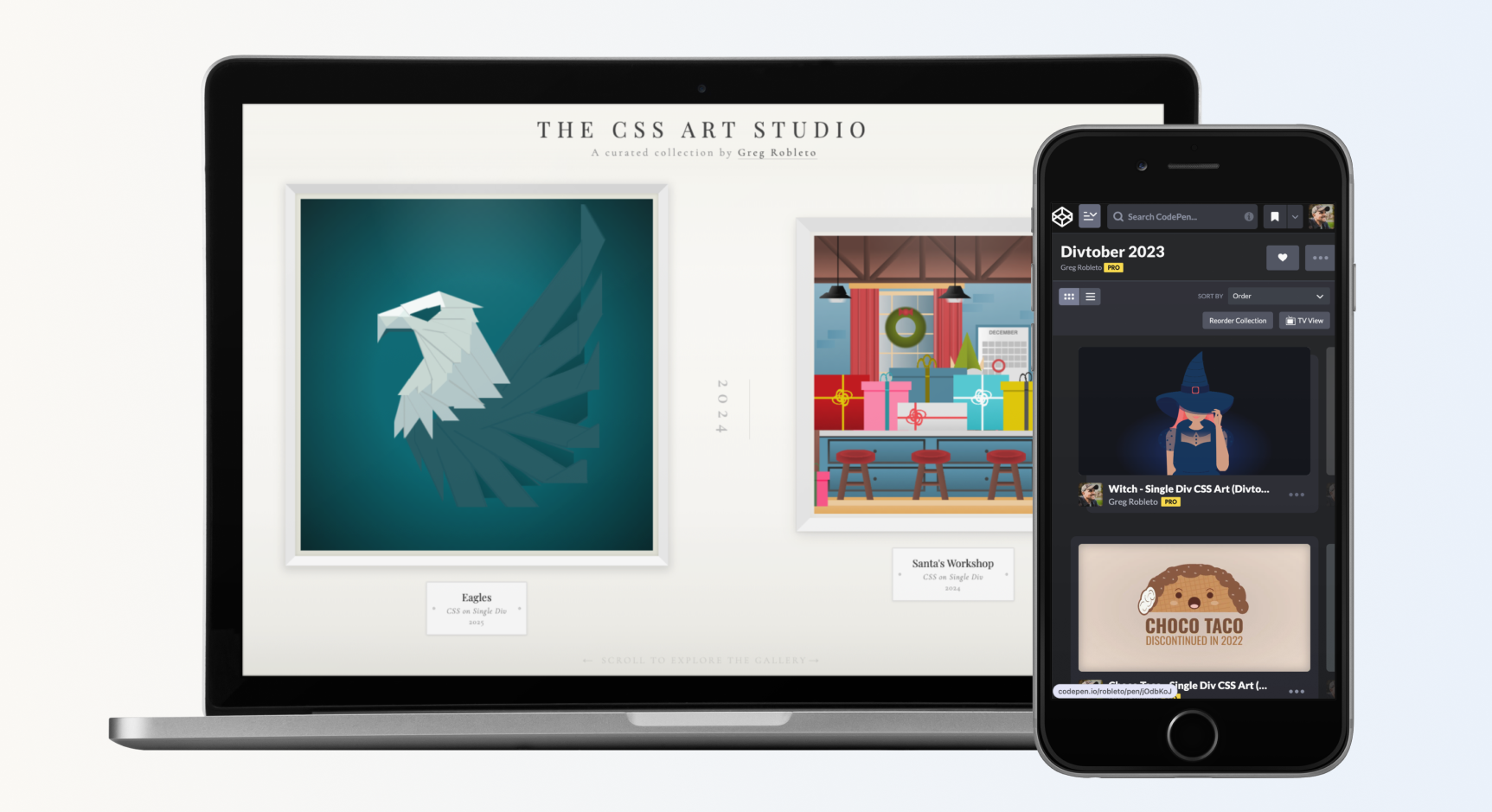
I shared every piece publicly, day by day. And what I saw in that daily progression — the visible improvement, the growing comfort with complexity, the evidence that I could do hard creative work consistently — was something I had stopped seeing in myself. I'd been accepting other people's assessments instead of looking at my own work and abilities clearly.
cssartstudio.com didn't teach me a marketable skill. It taught me something more important: that I was still in the game, and that I could prove it to myself one day at a time.
The habit matters more than the project
Some of these experiments taught me specific technical skills I use constantly. Some taught me things about my own discipline and creative process. Some taught me what not to build. One taught me I still could.
The through line isn't any single project. It's the habit — always having something I'm building, testing, or figuring out in the margins. That habit is what keeps the professional work from getting stale. It's where new instincts develop before they're needed, and where ideas start before they become real products.
Right now, that margin is filling up with agentic AI. I'm experimenting with what these tools can actually do — not the headline version, but the practical edges. What can they build reliably? Where do they break down? What changes about the design process when implementation stops being the bottleneck? I don't have answers yet. But that's the point of experiments — you don't wait until you understand something to start building with it. You build with it until you do.
Sharing these experiments in public is what makes them stick. When you can casually share what you’ve been tinkering with, when you know someone might see what you're building, you think more clearly about what it is and why. You finish it. And occasionally, a project that started as a personal experiment turns into the thing people remember.