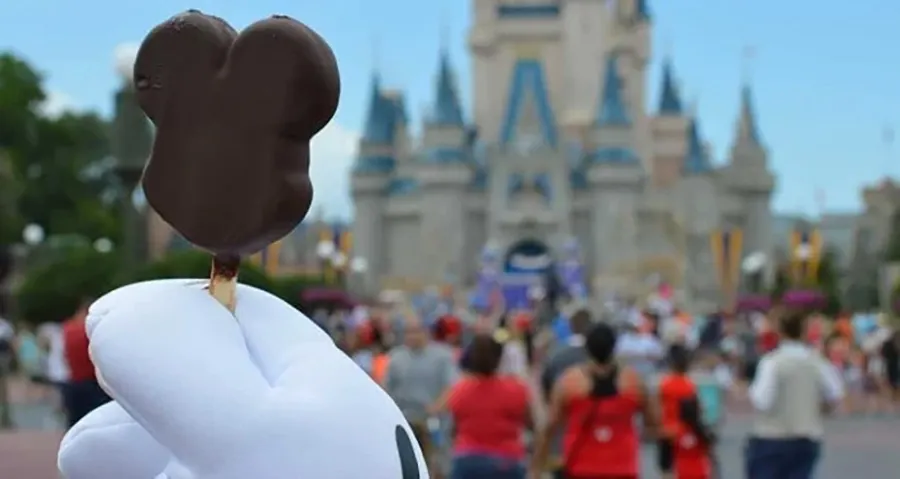
A few months into my internship at Walt Disney World, I was working the Kilimanjaro Safari ride at the newly opened Animal Kingdom when I watched a kid drop his Mickey Mouse ice cream bar on the ground.
The disappointment was immediate — on the kid’s face, on the parents’ faces. Anyone who’s bought one of those bars knows they’re not cheap. You could see the mental math happening: do we buy another one, or do we just absorb this and move on?
I walked over, introduced myself, and asked if I could help. I brought the family back to the ice cream stand, explained what happened, and asked the attendant if she’d provide a replacement. She was happy to.
The look on that kid’s face when he got the new Mickey bar is the moment I trace my career back to. Not because of the ice cream — because of what it represented. A small, frustrating experience had been headed toward ruining a chunk of someone’s day, and a simple intervention turned it around completely. The negativity was gone. The family left smiling.
Disney called these “Magical Moments” and built them into the culture. Cast members at every level were encouraged to look for opportunities to delight guests. I didn’t get reprimanded for giving away an ice cream. I got recognized for turning around a family’s day.
The career it pointed me toward
I’d arrived at Disney on impulse. A college student with no clear direction, I’d been studying computer science — C++, data structures — getting pulled deeper into back-end development. I could write software, but I didn’t have any passion for it. What I actually spent my free time on was building websites, hand-coding HTML and wrestling with table-based layouts in the Netscape Navigator era.
The Disney experience clarified something. I didn’t want to work on the parts of technology that users never see. I wanted to work on the parts they touch, the parts where a thoughtful decision can turn frustration into delight — the same instinct that walked that family back to the ice cream stand. That’s what user experience design is: seeing where someone’s experience is about to break down and intervening before it does.
I’ve spent my career on that side of the work ever since. The tools have changed — HTML tables gave way to CSS, static pages gave way to interactive systems, and “webmaster” gave way to “UX designer.” But the core of it is still the same impulse: pay attention to how people feel when they interact with something, and make it better.
Disclosures: This post does not reflect the thoughts or opinions of my employer, who is no longer Walt Disney World, but even if it were, it wouldn’t be my place to speak for the policies and culture of the company. All thoughts here are my own, including that the Mickey bar is expensive but not overpriced. It is costly but worth it. I stand by that statement and will be taking no follow-up questions.