Craft-driven teams are often the slowest teams. Not because they lack talent — because every deliverable is a bespoke artifact. Each piece of work starts from scratch or clNot Everything Should Be Built.ose to it. Quality is high but throughput is low, and the people doing the work are stretched thin keeping that quality bar where it belongs.
The instinct, when this becomes a problem, is to lower the bar. Ship faster. Accept good enough. But that's the wrong lever. The better question is: how do you raise the floor so that the default output is already good, and people can spend their energy on the parts that actually need to be great?
Someone else's sandbox
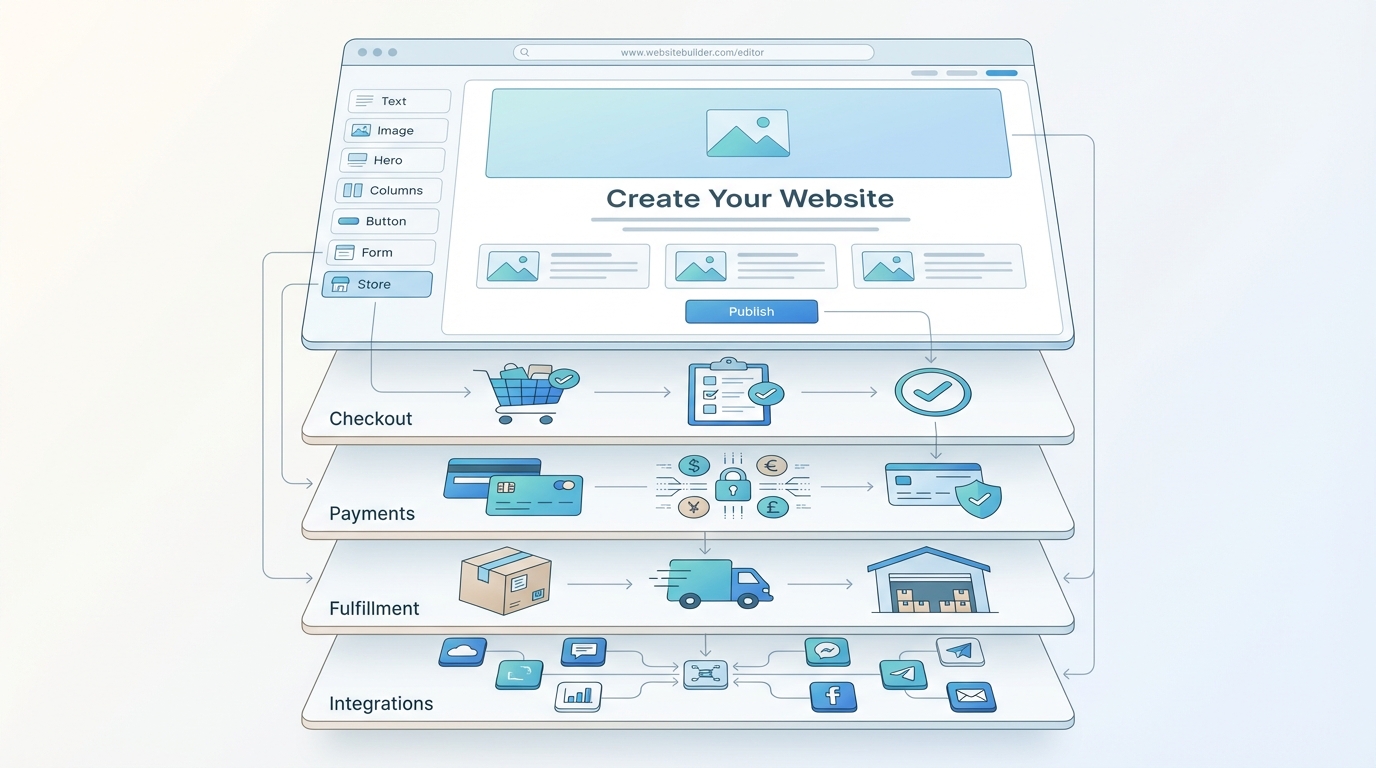
There's a particular frustration designers know well: working inside someone else's system. Squarespace, Wix, Shopify, Square — these tools can feel constricting, especially when you're flipping toggles on the implementation of some other designer's theme. Or worse, making adjustments within a theme you didn't craft or code. It can feel like the opposite of design.
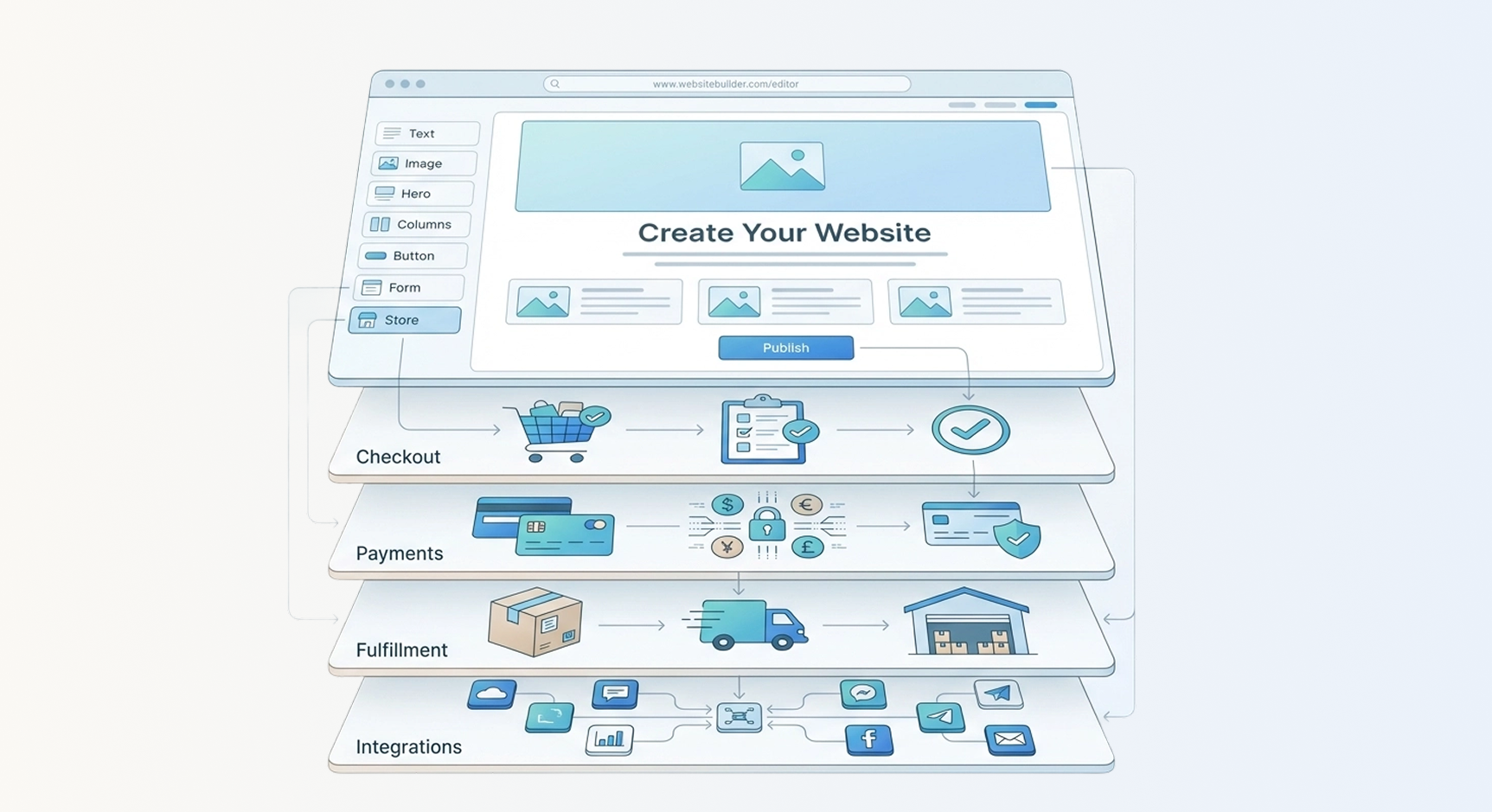
But that reaction is worth examining. Those tools exist because they've solved an enormous number of problems you don't want to solve. Checkout flows, payment integrations, responsive layouts, accessibility baselines — all handled. The constraint isn't a limitation on your design ability. It's a boundary that tells you where to focus.
And there's usually more room to craft than it first appears. Square is tightly constrained. Wix or Shopify less so. But even in the most limited tools, the constraint itself can be freeing. You can't obsess about everything when there's only so much room to work. That forces you to spend your attention on the problems that actually matter.
Focus
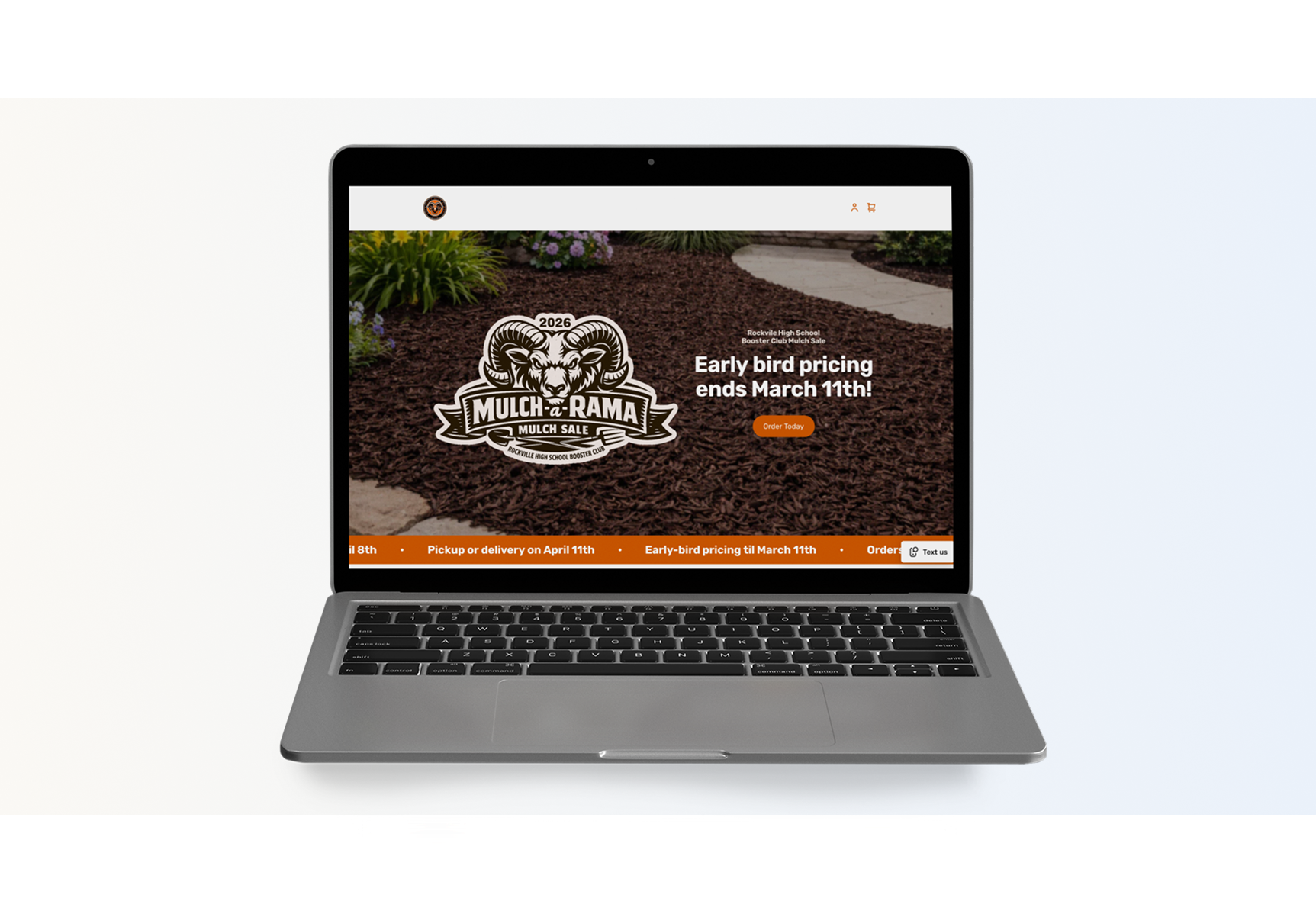
This is how I built the Mulch Booster Club site on Square in a weekend. The site itself was a few hours of work — dragging and dropping components, adjusting layout, typography, color themes, and finding excellent imagery. That wasn't where the value was.
The real work was solving the operational problems underneath: issues with checkout, issues with discount codes, manual steps that were being injected into the process because the system couldn't handle them cleanly. Fixing those was the big win. The fresh site looked good too — but it was the unglamorous workflow fixes that made the business actually run better.
Know where the design effort creates value and where it's just satisfying a need to control every pixel.
Scope
The harder lesson came with my poster art studio. I wanted to custom-build a site — use my design skills to craft something that displayed the work exactly the way I envisioned it. And I could have. But building it meant also owning the checkout process, the fulfillment pipeline, the communication layer with the print house, the customer service engine, the Stripe and PayPal integrations. That's not a website. That's a platform. And I didn't need a platform — I needed a place to sell posters.
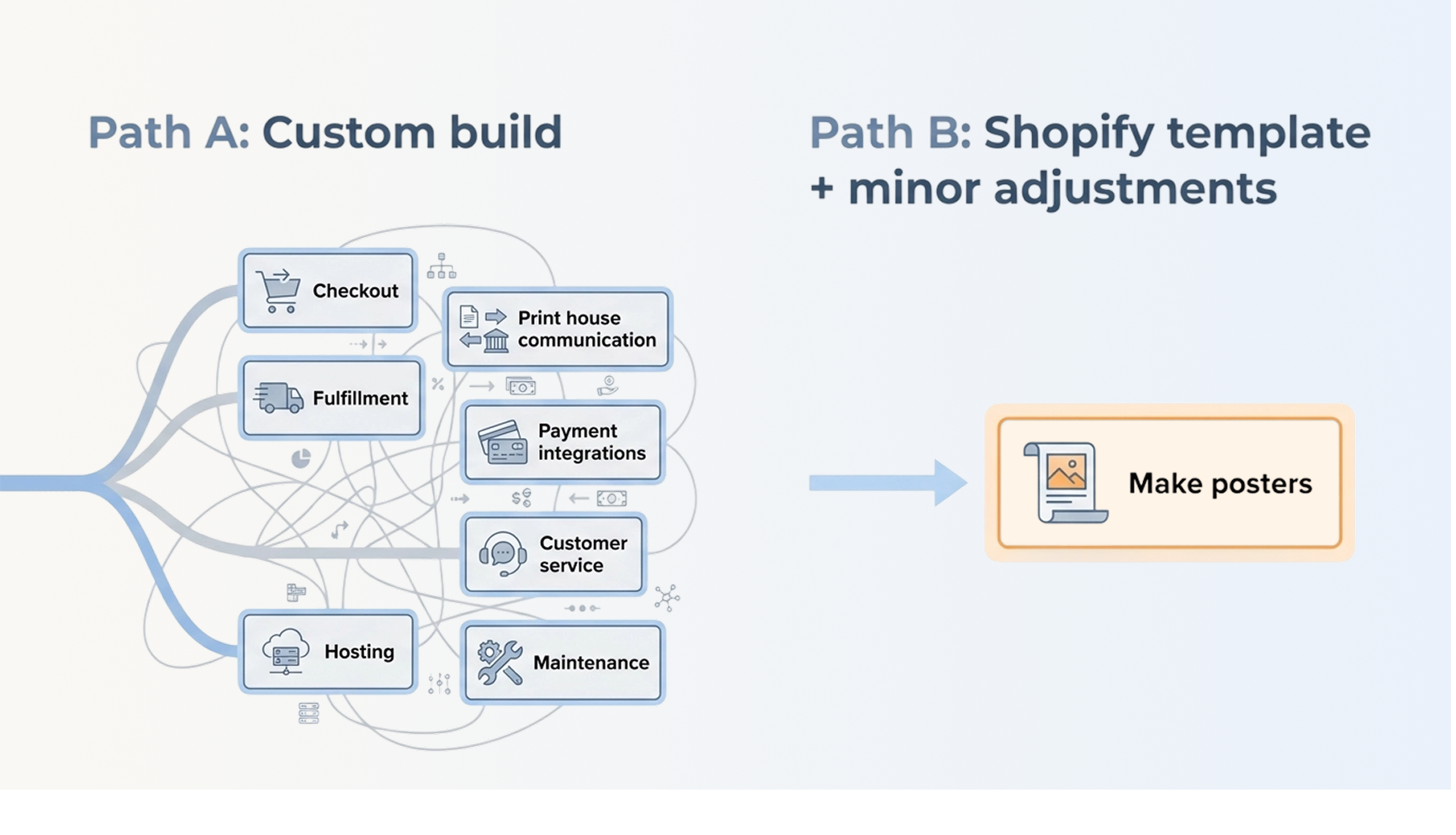
I put my ego in check, set up a Shopify account, picked a template, made minor adjustments, and let the posters do the visual work. In doing that, I avoided adopting a dozen responsibilities I'd have had to build and maintain by hand — not because I couldn't, but because none of that was the work that mattered.
Custom crafting is a commitment. Every handmade piece is a piece you have to support. The skill isn't building everything — it's seeing the full scope of what "everything" actually requires before you start.
The tools keep changing. The question doesn't.
Every few years, a new capability comes along that can do what used to require a designer or a developer building from scratch. Squarespace did it for marketing sites. Shopify did it for e-commerce. Now AI coding tools can hand-roll a custom site in an afternoon — and every headline is telling designers this threatens their jobs.
But it's the same argument wearing new clothes. These tools aren't replacing the work that matters. They're compressing the work that was never the point. A designer's value was never in the ability to code a checkout flow or hand-build a responsive grid. It was in knowing what problem the client actually has, what the user actually needs, and how to make the product's value unmistakable.
The tools that handle the mechanical work — whether that's a website builder, a design system, or an AI that writes production code — are doing the same thing the constrained platforms always did. They're giving you back the hours you'd have spent on implementation so you can spend them on the parts that shine: the strategy, the clarity, the things that make someone trust what they're looking at.
The real goal
Whether it's a constrained tool that forces focus, the discipline to not build something from scratch just because you can, or an AI assistant that compresses implementation time — the through line is the same.
Systems and automation aren't about efficiency for its own sake. They're about creating the conditions where good work is sustainable. Where craft isn't a luxury that only happens when things slow down — it's the default. The goal isn't making things. It's knowing where making things matters.
The views expressed here are my own, developed on my own time, and not endorsed or compensated by any employer past or present. The projects referenced are personal work built on nights and weekends — which is when most “is this really what I shiould be doing” reflections get brutally honest.
Portions of this content were outlined and proofread with the assistance of AI tools.